A Guide to Common British Plants
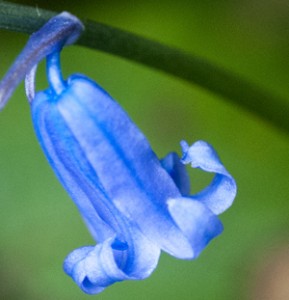
Now that it's the time of year for bluebells, we turn our thoughts to woodland flowers.
Plant Life, the international organisation dedicated to preserving plants in their natural habitat, is running a long-term project to monitor changes to the wild flower population in the Britain. They rely on volunteers and if you are interested in helping out visit their website: http://www.plantlife.org.uk/uk/plantlife-get-involved-common-plants-survey.html .
They have selected 65 common plants that they are assembling a nationwide picture of. If they are common and there are lots of them, why do we need a survey? These common plants are pivotal in supporting a whole range of insects, birds and animals, and a national survey will highlight any that are heading, unnoticed, towards rarity. For those with an interest in woodlands, some of these plants, such as the primrose, are also indicators of ancient woodland.
Plant Life have produced a handy, illustrated guide to the 65 common plants as a pdf file which can be printed out.
Comments are closed for this post.
Discussion
rubbish – got nothing out of this !!!!!!!! :)
Actually the guide is produced by Plantlife, (http://www.plantlife.org.uk/) which is nothing to do with woodlands.co.uk who are simply informing people that it is available.
ok so im gonna be honest… this site needs to prehaps not be so vage in the info it gives… i mean there are loads of british plants (both wild and cultivated) and this site seems to be amed at thous who realy dont know anything about plants and are just starting to become awear …. hate to say it but take a leaf out of the rhs website… the info needs to be both informative and there needs to be more acctual plants included in there… even thou you have called this the guide to “common” plants… id say there a lot which has been missed
over all… fail!!
Probably because there are not many BRTISH plants
THIS SUCKED!!!!! I DIDNT FIND ANY THING ABOUT BRTISH PLANTS
this website is good
Additionally if you have a wood you might look at heading down to the Agroforestry Research Trust (ART http://www.agroforestry.co.uk/courses.html) at Dartington in Devon to look at ways of symbiotically advancing your woodland into a fruit/nut/berry/leaf bearing pantry on one of their Forest Gardening courses. Thoroughly recommended. I was also introduced to the Plants for a Future website (see link)

Try looking here
http://www.woodlands.co.uk/blog/woodland-flowers/
blogs
28 April, 2013