The Lost Elms
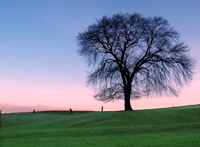
Elms were once an important part of Britain’s landscape but in the 1970’s, the Elm population was savaged by a fungal infection known as Dutch Elm disease. A bark beetle spreads the fungus from Elm to Elm. As a result of infection the water conducting tissue of the tree becomes blocked. It was the English Elm (Ulmus procera) that was most affected by the fungus: some twenty million Elm trees were lost. Consequently, Elms are now relatively rare, especially in the south of England. There are a number of different species of Elm found in the UK
- Wych Elm
- Smooth leaved Elm
- English Elm
A useful guide to the three main types of UK Elms may be found here
Since 2003, the Elm Map project has recorded details of the remaining mature Elms. The information that has been collated to date can be accessed at the Ancient Tree website. The Natural History Museum and the Ramblers Association have been working together recording Elms as part of the Elm Map project launched during ‘Welcome to Walking Week’ in 2003. If you know of Elms or other ancient trees that may not have been recorded, then you might like to visit the Ancient Tree Forum.
Comments are closed for this post.
Discussion
Hello, I dearly remember the magnificent mature English elms in the Berkshire roadsides. From looking at the Web, it seems that some mature trees have survived abroad, eg Australia, Spain and Italy. Can’t seem to get any pictures. I wonder if they really represent U.Procera at its finest. Best wishes for all your work, R.J.E.
I have found living mature elms in mid wales. Is anyone interested?
david smart
30 April, 2013