Finance
Most of the people who buy our woodlands want to own one for its own sake to enjoy it for conservation projects or to spend time there with friends and family. But some people see it also as an investment or at least as a safe place to put their money.
A lot of people who buy a woodland are cash buyers, but there are other ways of raising the money.
Borrowing to finance a woodland purchase
 Some people borrow the money, either against the woodland itself or against another asset such as their house or flat. Borrowing against a residential property is usually cheapest as the banks and building societies are very much geared up for such lending and competing strongly over interest rates. If you already have a mortgage it is often easy for your lender to “top up” the mortgage for a woodland purchase.
Alternatively you may be able to borrow against the woodland itself and some of our buyers have done this. For larger woods, the Ecology Building Society may be able to help. They promote sustainability through their mortgage lending and they consider the impact of the loan in terms of pollution, energy use and conserving resources.
Joint purchasing a woodland
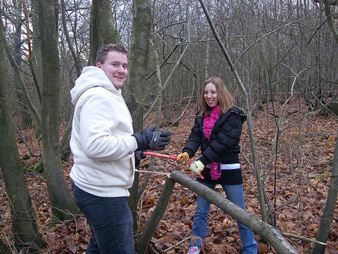
Some buyers prefer to share the cost with one or more friends, or family members. This can work very well too, and we have more information on how joint purchasing can work in practice.
Buying a woodland in a SIPP
A method which is becoming more common amongst purchasers is to invest part of their pension fund in the woodland. This depends on the kind of fund they have, and whether they are willing and able to show that the wood is managed commercially. A financial adviser is essential, although we have an article with some ideas of places to start.