Embracing the Changing of the Clocks
by Sam Corbett, 22 October, 2026, 0 comments
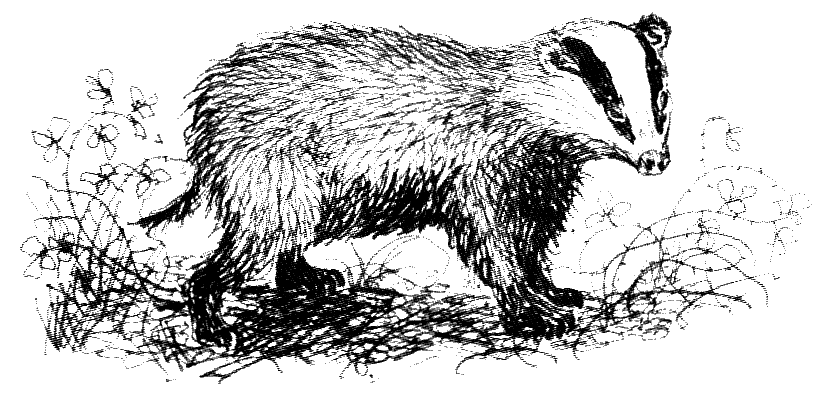
The clocks will turn back again this month, provoking the usual flurry of debate about daylight saving time and who, or what, it is good for (Farmers? Schoolchildren? Energy grids?). The natural world will be mercifully free from these discussions. No government edict is needed for the trees to drop their leaves, or for the badgers to line their setts with grass and moss. When the swallows and house martins depart for sub-Saharan Africa, it will not be GMT they are fleeing, but dwindling insect populations.
Willingly or not, however, most of us will have to give the changing of the clocks some consideration. For owners of woodland, the new schedule will provide challenges and opportunities. Here are some things to keep in mind:
Seize the early hours
The approach of shorter days can be dismaying to nature lovers – at least to those less inclined towards headtorches and firepits. But it is worth remembering that the shift back to GMT will provide an opportunity to enjoy some extra early-morning sunlight before the true winter nights set in.
Sunrise in the UK will leap back from around 7.40am to 6.40am on October 25. For those early risers who like to snatch a breath of fresh woodland air before attending to the demands of the day, that extra hour of light can be a real gift. It will be another month before the Earth’s tilt shifts the sunrise back to 7.40am.
Preparing for darker evenings
The extra hour doesn’t come free, of course. As daylight savings come to an end, sunset will move back from approximately 5.45pm to 4.45pm. This will make after-work visits to the woods more difficult, but far from impossible. With some preparation, you can ensure that traversing your woodland at dusk and after dark remains easy and safe:
Remove brambles and other vegetation from around the entrance.
Clear your primary pathways of loose branches and other tripping hazards, and fill in any holes. Make sure you’re familiar with the route.
Consider adding discreet reflective markers to your entranceway or along your path (but avoid installing any bright permanent lights that may disturb wildlife).
Invest in a reliable headtorch.
While it is sensible to prepare for the early sunsets, it’s no good raging against the dying of the light. Remember that the hours between dusk and dawn bring their own character and opportunities.
Autumn creatures
Sunset heralds a flurry of activity from nocturnal woodland animals, with foxes and badgers emerging onto the forest floor, and bats beginning to take wing. In the case of some creatures, such as hedgehogs, the next couple of months will be your last chance to catch them before they retreat to their nests and enter deep sleep (“torpor”) or hibernation.
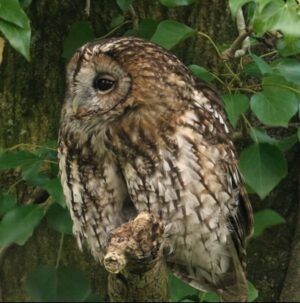
Though many woodland birds will be flying south for winter, plenty more will stick around. Tawny owls are at their loudest and most active in the autumn months, and predominantly appear after dusk. Listen out for their “Twit-Twoo” duets (the “Twit” is the female call, the “Twoo” the male). Other species, meanwhile, will be arriving in October and November from colder northern climes, including redwings and bramblings.
Soaking up the starlight
Depending on the density of the canopy overhead, the earlier dusks can also allow for new stargazing opportunities. The weather in autumn is generally clearer than in the winter months, meaning a reduced likelihood of interfering clouds, and it’s a great time of year to spy the Andromeda Galaxy, or the return of the constellation Orion to British skies.
Other astronomical sights to look out for over the next couple of months include the Leonid meteor shower and the rare alignment, or “parade”, of Mercury, Venus, Mars and Jupiter, as well as a supermoon that will reach peak brightness on November 24. On that night, the “Beaver moon” will appear around 14% larger and 30% brighter than a standard full moon.
Hold off on hibernating
As dusk draws closer and the days shorten, it can be tempting to follow the lead of the hedgehogs and begin hunkering down. But if you have access to some woodland, it’s worth donning that extra layer, firing up a headtorch, and heading out. Not only will you be helping to counteract the mental health impacts of the diminishing sunlight, but you’ll also be giving yourself a chance to witness a special moment in the seasonal cycle of the woods. Keep warm, watch your step, and enjoy it.