Woodlands.co.uk

Blog - Pests & Diseases

Elm Trees: disease-resistant elm trees now available

Elm Trees: disease-resistant elm trees now available

by Angus, 6 January, 2026, 1 comments

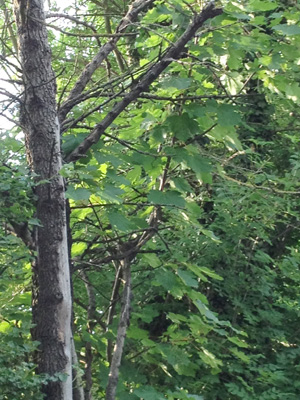
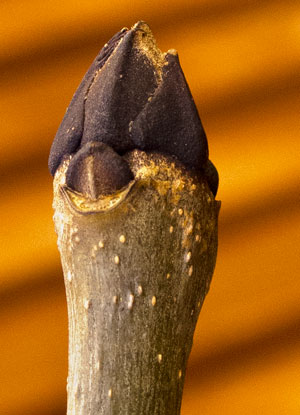
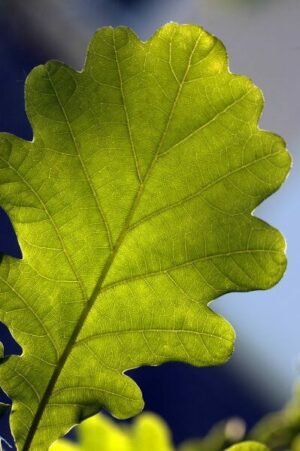
I was excited to hear from a close relative that there has now been progress on developing elm tree saplings which could be resistant to Dutch Elm disease. As one who grew up in the 1970s I remember their loss over a few years as a result of the disease. For others they will be familiar from old photographs, poems, and paintings, yet they are strangely absent from today’s countryside. Dutch elm disease [DED] reshaped the nation’s woodlands and hedgerows, killing an estimated 25 million mature trees and altering landscapes that had developed over centuries. But the story isn’t over. A new generation of disease-resistant elm cultivars is beginning to change what’s possible for UK woodlands, conservation projects, and even urban tree-planting schemes. These elms are not the fragile giants of mid-century memory; they are carefully developed hybrids bred for resilience, longevity and ecological value. Their return opens up exciting potential for forestry, the countryside, wildlife recovery and long-term legacy forestry planning. What resistant elms could do for UK forestry [caption id="attachment_18575" align="alignleft" width="254"] Leaf of Elm[/caption] The forestry sector in the UK is under pressure to diversify tree species, increase resilience to climate change and pests, and expand woodland cover at scale. Disease-resistant elms present a genuine opportunity to contribute to those objectives. Elm is a fast-growing hardwood, historically valued for its tough, interlocking grain and durability when wet. While its traditional uses in wheel hubs, shipbuilding, coffins and farm structures may no longer drive demand, elm still has a place in modern forestry. The new resistant cultivars grow straight, tolerate a range of soils and are adaptable to urban, lowland and upland conditions. From a silvicultural perspective, introducing resilient elm back into mixed woodlands broadens the species portfolio at a time when ash dieback, Phytophthora strains and climate stresses are reducing the reliability of formerly dominant species. A more diverse woodland structure is a more resilient one — less vulnerable to the next big pathogen or extreme weather event. Elm trees also provide excellent early canopy cover and can integrate well into long rotation plans. For foresters thinking 50 to 100 years ahead, resistant elms offer the possibility of establishing stands that can thrive well into the next century. How reintroducing elms could transform the UK landscape The cultural loss of the elm is written into the character of the British landscape. Country lanes once lined with towering cathedral-like trunks became visually bare within a generation. Many regions saw hedgerows thinned and their organic shapes lost. Even in towns and cities, the elm had been a dependable street tree until Dutch Elm Disease [DED] stripped avenues of their distinctive silhouettes. [caption id="attachment_18572" align="alignleft" width="225"] Young Elm[/caption] Restoring resistant elms has the potential to bring back this visual richness. Their broad crowns, sculptural forms and strong architectural presence offer something different from oaks, beeches, horse chestnuts and maples. Landscapes shaped by elms have a softness and particular grace — an interplay of height and curve that many native-focused designers have long missed. Imagine the patchwork of English lowlands stitched again with lines of elms along watercourses. Picture Scottish or Welsh farmland bordered by hedgerows reinstated with elm that can survive more than a decade or two. The return of elms isn’t just ecological; it’s aesthetic, historical and emotional. It reconnects the modern countryside with an older Britain — restoring depth to the rural identity we sometimes forget is still evolving. Even urban design also stands to benefit. Many of the resistant cultivars withstand pollution, road salt, and compacted soils, making them excellent candidates for street avenues, civic squares and parks. A walkable city framed by elms once again feels completely plausible. Why disease-resistant elms might be good news for wildlife Elms have always been wildlife trees. Their leaves, seeds and bark host a wide range of invertebrates, which in turn support birds and small mammals. But perhaps the most striking ecological story is the elm’s role as a critical food plant for the White-letter Hairstreak butterfly.  This butterfly suffered a devastating decline as DED wiped out its primary larval host. Now, with resistant elms returning to woodlands, parks and village greens, conservationists have begun to integrate these cultivars directly into habitat recovery plans. Early evidence suggests that several resistant elm varieties are fully acceptable host plants, capable of sustaining healthy White-letter Hairstreak populations. Bird species also benefit. Elms provide dense cover and good nesting structure, and their early leaf flush is valuable for spring caterpillar availability — an important food source for breeding birds. In broader woodland planning, elm reintroduction helps to restore vertical layering and structural complexity, both essential for biodiversity. Combined with native shrubs and other hardwood species, resistant elms can contribute to dynamic ecosystems rather than monocultures. UK suppliers offering disease-resistant elms If you’re interested in planting some yourself — whether for a large woodland project or a small-scale tree-planting scheme — there are now some UK suppliers currently offering disease-resistant elm cultivars. One of them is Hillier Nurseries (Hampshire), one of the main UK distributors of the Resista® range, including Ulmus ‘New Horizon’ and Ulmus ‘Rebona’. These cultivars are widely used in both landscape and urban environments. Their website is at www.hillier.co.uk I plan to plant a few in the Spring and see how they get on.
Ash is fighting back

Ash is fighting back

by The blog at woodlands.co.uk, 21 July, 2025, 0 comments

Ash dieback began to spread in Europe in the 1990’s, reaching England in 2012.  It is a fungal disease that slowly but surely interrupts a tree’s ability to transport water.   The fungus responsible is Hymenoscyphus fraxineus, which is native to Asia.  The death / loss of mature trees not only reduces carbon dioxide uptake but also represents the loss of habitats for many species of insects and other animals.  The dead trees are also a hazard to people and property. Though many ash trees have now died after infection with this fungus, there is a small glimmer of hope on the horizon.  Some British ash trees are evolving a degree of resistance to the fungus.  Scientists from Kew and Queen Mary University of London have studied the genetic makeup of many mature european ash trees, and also hundreds of young saplings (at Marden Park in Surrey).   This revealed that resistance was more commonly found in young trees - a shift in the genetics of the trees within a generation.   The resistance to the fungus is NOT complete, but if these young trees make it to reproductive maturity then there will another chance for natural selection to ‘refine ‘ the process, through their offspring. However, it may be that a careful breeding program will be needed to establish true resistance / immunity. Interestingly, ash dieback has not reached America but the emerald ash borer has.  This insect is spreading and killing trees.  It is another example of the effects of the globalisation of world trade. Insects and other animals from across the world are being ‘mixed up’, moved from their native regions to new areas where they spread and cause damage as their predators and / or parasites have not travelled with them.   Trees and shrubs are now facing challenges and threats at an unprecedented rate. see also :  https://www.qmul.ac.uk/media/news/2025/science-and-engineering/se/british-ash-woodland-is-evolving-resistance-to-ash-dieback-.html  
Vikings and squirrels.

Vikings and squirrels.

by The blog at woodlands.co.uk, 14 July, 2025, 0 comments

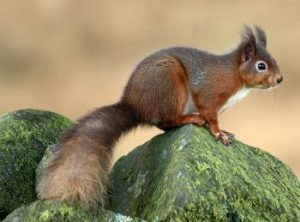
JAcross Europe, the red squirrel is recognised as an endangered species.  The U.K populations are at risk due due to :- Habitat loss Competition with Grey Squirrels The effects of the squirrel pox virus The last two are a result of the introduction of the grey squirrel from America in the 19th century. Red squirrels are at home in all types of woodland and may even be seen in parks and gardens, but they 'like' mixed conifer forests best.  Scotland is home to many of the U.K's red squirrels. The number of squirrels is quite small – estimates of their number vary, perhaps there are less than 300,000* across the whole of Britain.   The status of red squirrel populations is a matter of considerable interest. [caption id="attachment_42416" align="alignleft" width="300"] Screenshot[/caption]  In 2014, it was noticed that some members of the Scottish red squirrel populations had abnormal growths on their ears, snout and limbs. Further investigations found that the squirrels were suffering from leprosy.  Leprosy  is a bacterial infection,  caused by two different species of mycobacteria: Mycobacterium leprae and Mycobacterium lepromatosis.   The two types of  bacteria have slightly different distributions in the squirrel populations of the U.K.  Whilst leprosy in squirrels was first reported in 2014,  it is likely that the disease has been around in squirrel populations for much, much longer, probably hundreds of years. Profesor Verena Schünemann,  Christian Urban et al have studied bacterial DNA extracted from human skeletons, dating from 400 CE to 1400 CE with deformities associated with leprosy.   They 'reconstructed' the genetic makeup of mediaeval forms of the bacterium.  Leprosy was not uncommon across Europe in mediaeval times - indeed up to the sixteenth century.   Disease, in its many forms , was a common part of life -  dysentery, diphtheria, typhoid, smallpox, and plague meant that life expectancy was limited. The last indigenous case of leprosy in the UK dates back to 1798.  In humans, leprosy causes muscle and nerve damage, which lead to deformity, blindness and disability.   Interestingly, research by Dr. Sarah Inskip has revealed that a pre-Norman skull [found in Hoxne in Suffolk] had a leprosy strain related to a form known to affect squirrels.  The same strain has also been found in medieval scandinavian skeletons.  It is possible that the  trade in squirrel pelts (and meat) could have contributed to the spread of the disease. Strong trade connections with Denmark and Sweden were in full flow in the medieval period.  Squirrel fur was also used as a lining for fine clothes and squirrels were kept as pets by some. The historical spread of leprosy is not fully understood.  The disease may have passed from squirrels to humans or vice versa in historical times.  Further study of the microbes that cause this disease (and that in squirrels) will help determine how the disease is acquired and transmitted.    The risk to human health is low. (Even so, good hygiene should be followed during any contact with wild animals). Professor Anna Meredith  (University of Edinburgh) is researching into this disease in squirrels.   Further reading / articles: https://www.newscientist.com/article/mg14819991-200-virus-blamed-on-invading-squirrels/ https://www.science.org/doi/10.1126/science.aah3783 https://www.theguardian.com/science/2017/oct/25/medieval-love-of-squirrel-fur-may-have-helped-spread-leprosy-study-reveals https://www.sciencedaily.com/releases/2017/10/171025103109.htm
Whose afraid of the big bad wolf?

Whose afraid of the big bad wolf?

by The blog at woodlands.co.uk, 30 May, 2025, 0 comments

Should wolves be reintroduced into the landscape. Wolves are regarded as a keystone species in many areas . A keystone species is often a predator that prevents a particular herbivore from ‘eradicating’ a prominent plant species. Without the predators, the herbivore populations can explode, wiping out particular plants, and dramatically altering the character of the landscape / ecosystem.  The logic for the reintroduction of the wolf relates to bringing deer populations under control. Relatively few  wolves can have a significant effect of deer numbers.  Wolves not only kill deer, but keep them on the move restricting their browsing activities. Though the exact red deer population is unknown, estimates for Scotland suggest it is about 400,000.  What is clear is that the deer browsing is having a significant effect on the natural regeneration of woodland and forest throughout the region.  This lack of natural regeneration has contributed to the decline and loss of native woodland.  Indeed, Scotland has a low percentage of woodland cover (approximately 4%).  Natural regeneration does occur  where measures are in place to exclude deer, such as fencing;  Or where deer numbers are below four per square kilometre In these conditions, seedlings can then establish themselves and grow towards maturity. Researchers at the University of Leeds are suggesting that a population of 167 wolves across the Cairngorms, South-west Highlands. Central Highlands and North-west Highlands would be sufficient to reduce the red deer population to a level that would allow natural regeneration to occur.  This natural regeneration would mean more trees, more natural woodland, which in turn would lead to greater carbon sequestration, possibly removing one million tons of carbon from the atmosphere each year.   Their calculations, using a predator prey model for the wolves and deer, suggest each wolf would effectively result in an additional uptake of some 6000+ tonnes of carbon.  It is possible that wolf reintroduction would also lead to: Increased ecotourism A reduction in deer related road traffic accidents / collisions A reduction in Lyme disease (fewer ticks carrying the bacterium Borrelia burgdorferi.  A reduction in the cost associated with deer culls, deer management However, against these potential benefits, there are concerns of public acceptance of wolves in accessible spaces, the challenges they may bring to livestock farmers (especially sheep farmers), and the impact on the deer stalking community.   Whilst wolves were once common in the British landscape, they have not been present (except in wildlife parks) for centuries.  Wolves likely became extinct in England during the reign of Henry VII (1485 - 1509), though wolf bounties were still offered in some parts until the 19th century. In Scotland, at one time (during the reign of James VI of Scotland), wolves were considered such a threat to travellers that special houses / rest places (Spittals) were built along the travel routes for the nighttime protection of travellers.  The Spittal of Glenshee was one such refuge.  At Eddrachillis, the people resorted to burying their dead on an offshore island so that the graves were not disturbed by wolves.   “Thus every grave we dug The hungry wolf uptore And every morning the sod Was strewn with blood and gore Our mother earth had denied us rest On Ederachillis shore” From A book of Highland Minstrelsy (1846) Wolf populations likely peaked in the latter half of the sixteenth century, causing so much damage to cattle in Sutherland that in 1577 James VI ordered wolf hunts three times a year.  According to some accounts, the last wolf to be killed in Scotland was shot in Perthshire in 1680, though there are some claims that a few may have survived into the 18th century. The modelling of the effects of wolf re-introduction by Liverpool University is not the first study suggesting that Scotland’s woodlands and forest would benefit from the return of wolves. However, whether the idea will gain public acceptance or make significant headway remains to be seen.  
Blackbirds, climate change and disease.

Blackbirds, climate change and disease.

by The blog at woodlands.co.uk, 9 April, 2025, 0 comments

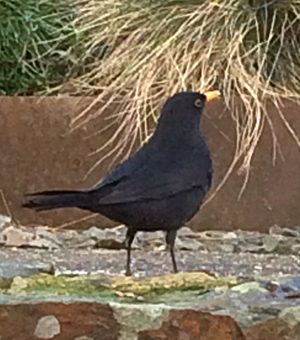
Climate change is introducing disease to new areas as it favours the spread of disease vectors, such as mosquitoes.  Usutu is a virus disease that originated in South Africa, it is spread by mosquitos and affects birds, particularly blackbirds and owls.  Whilst birds are the primary hosts to the virus, it can infect ‘incidental hosts’ such as bats and humans, through insect bites. The virus has been found in a number of mosquito species in Africa and Europe.  In the U.K,  and Europe the main vector is Culex pipiens - the common house mosquito or northern house mosquito.  The virus has probably spread through the movement of migratory birds between Africa and Europe, and is now present in many European countries. The virus was first detected in the London area in summer 2020 and was associated with a decline in Blackbird numbers. Blackbird numbers have declined by approximately 40% since 2018. The virus was then detected in Cambridgeshire in 2023.  It seems that most Usutu infections in humans do not cause disease and so the risk to human health is considered ‘low’.  There is no evidence to date that the consuming poultry poses a risk to our health.  However, the detection of Usutu in the UK marks the first time that a mosquito-borne virus capable of passing  from animal hosts to humans has emerged in this country.  Its speed and spread are being monitored as it may model how other mosquito borne disease arrive here. A virus that may be a particular cause for concern is the West Nile virus.  This virus spreads in a similar way to Usutu and needs similar climatic conditions.  West Nile virus, also transmitted through mosquito bite, can cause fever, vomiting and diarrhoea.  At present, there is no vaccine available.  West Nile virus was detected in the Netherlands in 2020, and there is concern that the changing climate could facilitate its spread in Europe.
A call to all oak growers - help please.

A call to all oak growers – help please.

by Celyn, 25 March, 2025, 0 comments

Native oak trees – keystone species in our woodlands - are under threat from Acute Oak Decline (AOD). The disease is increasingly affecting mature native oak trees across Britain, causing rapid decline and death within as little as 4-5 years. We are seeking help from woodland owners and managers for an important new research project aiming to monitor the health of oak trees across the country. We want to capture the current health of oak trees so we can make comparisons between affected and symptom free woodlands. We hope to understand the differences in environment, underlying health of the trees and importantly the role of management in improving outcomes. AOD can be diagnosed by a depleted oak crown, black stem bleeding, and D-shaped exit holes (left by the Agrilus biguttatus beetle). The disease can seriously diminish health and resilience of infected trees, for example by making them more susceptible to honey fungus. AOD can spread within a woodland once introduced and exacerbate existing stresses. Sylva Foundation is working closely with scientists from Forest Research and Aberystwyth University to understand more about this devastating disease. We are looking for volunteers to assess five or more oak trees, between June and August. Using a purpose-built web app, you will help by assessing each oak tree which should take no more than 5 minutes. The data will then be shared with researchers via Forest Lab. Please sign up to the project today to help this important research. Simply click on Forest Lab after creating an account (free) in myForest here Full details about how to take part and data privacy are provided at sign-up. NOTE : Celyn is a researcher at Aberystwyth University,  working with Forest Research and SYLVA  
Grey squirrel damage.

Grey squirrel damage.

by The blog at woodlands.co.uk, 22 July, 2024, 0 comments

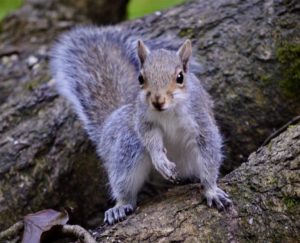
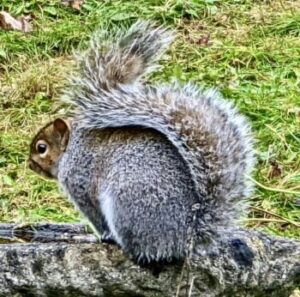
Much has been written about the explosion of the UK deer population in recent times, and the damage to woodlands through their browsing activities.  However, the grey squirrelis associated with tree damage.  The grey squirrel is not just the 'cheeky chap' who steals the bird food in the garden, it is a serious pest.    The grey squirrel is a non-native species.  It was introduced in the 19th century.  The squirrels have spread across the country and have displaced the native red squirrel from many areas (either through competition or disease).  The grey squirrel's bark stripping activity now poses a threat to the sustainable management of woodlands. Gnawing of the bark means that they can get to the sweet, sap filled tissue (phloem) just beneath the bark. This tissue is responsible for the movement of sugars and other organic molecules around the plant (known as translocation). If the gnawing extends around the stem then the tree is ‘ringed’ [i.e a complete circle of bark and underlying tissue is removed]  then the tree us likely to die.  The squirrels tend to take bark from the main stem (and branches). The bark stripping may : Lead to the loss of particular tree species (for example, beech) Lead to the loss of insect / spider and fungal species associated with the loss of tree species, i.e. a loss of biodiversity allow fungal infection of the tree Reduce carbon capture Reduce the economic value of timber Act as a disincentive to creating new woodland for timber In order to reduce squirrel damage, it is important to Start inspecting for damage in late February as damage typically occurs in early Spring.  Examine the base of trees for damage. Look for ‘tester patches’ made by squirrels (to which they may well return later). Check young, broadleaf trees as they are particularly favoured by the squirrels.  Oak and beech are quite vulnerable to damage (see image of damaged beech trunk below). Recent research* at Bangor University has investigated the microbiome of the squirrel in relation to its bark stripping activity.  The microbiome of the gut refers to the various micro-organisms found with the intestines.  Analysis of bacterial DNA found in the colon of great (and red) squirrels revealed that grey squirrels had 'oxalobacter' bacteria in their colons.  These bacteria are able to 'release / access' calcium from the tree bark to the squirrels.  Calcium is an important nutrient in terms of bone building and is also involved in muscle contraction. had  a more diverse bacterial population in the colon. These findings may help explain why the grey squirrel 'outcompetes' the red squirrel.  Their more diverse gut microbiome may mean that they can access a greater range of resources. For example, grey squirrels can digest acorns, which red squirrels cannot;  this is possibly associated with tannin content of acorns. In order to reduce damage in a woodland, the number of grey squirrels may need to be managed.  This can be done though trapping or shooting.  Trapping is a legally acceptable and effective way of controlling grey squirrels in most situations. Grey squirrels can be trapped throughout the year though March to September is a good time as food is less abundant. Through autumn, berries, nuts and seeds [natural foods] are available so trapping is less successful.  Details of the various types of traps and their use / placement may be found at: https://greysquirrelcontrol.co.uk/trapping-method.php https://www.britishredsquirrel.org/wp-content/uploads/2016/07/Grey-Squirrel-Best-Practice.pdf https://basc.org.uk/pest-and-predator-control/grey-squirrel-control-with-live-capture-traps/ https://www.britishredsquirrel.org/wp-content/uploads/2016/09/Trapping-Protocol.pdf  https://bpca.org.uk/a-z-of-pest-advice/squirrel-control-how-to-get-rid-of-squirrels-bpca-a-z-of-pests-/188983 To go down the ‘shoot to kill’ route then there are a number of rules and regulations to observe.  Details may be found in the link below : http://www.britishredsquirrel.org/grey-squirrels/grey-control/ It is hoped that eventually a form of oral contraception will be developed, which will offer a non-lethal and humane means of population control. Full details of this research work may be found here
Butterfly updates

Butterfly updates

by The blog at woodlands.co.uk, 25 March, 2024, 2 comments

Solar farms have sprung up across the country with hundreds or thousands of solar panels, linked together in fields.  Now, researchers in the States have shown that sowing grasses and wild flowers in-between the panels on solar farms resulted in: A significant increase in the number of beneficial insects (bees in particular benefitted) An increase in insect diversity beneficial 'spillover effects' on adjacent farmland. The solar farms under study were sown with specially designed seed mixes. See also the previous woodlands  blog on solar panels and wildlife The seeding of solar farms would seem to offer support to : Renewable Energy Generation: Biodiversity Pollination services Habitat restoration: in fields that may have been damaged by intensive agriculture and / or development. They can also act as a refuge for native plants and wildlife. Erosion control: the root systems of native plant species (which penetrate to different depths) help prevent soil erosion. Reduced maintenance costs: as less mowing / weed control needed. The cabbage white butterfly is generally regarded as the enemy by the keen vegetable gardener.  If you are growing brassicas - cabbages, cauliflowers, brussels sprouts, broccoli, kale or pak choi, it is likely that you will have these butterflies as summer visitors.  The butterfly is white with black spots on the wings.  Males have a single spot on each of the forewings, whereas the females have paired spots. The butterflies are attracted to the plants as they produce the chemical - glucobrassicin. The butterflies can sense the glucobrassicin through the hairs on their front legs (they have three pairs of legs, a pair on each segment of the thorax). This chemical, glucobrassin, stimulates them to lay their eggs on the leaves of cabbage and other brassicas.  A female can lay up to 800 yellow eggs. These eggs may hatch and the green / black caterpillars emerge.  These caterpillars can double their mass in a day through their voracious feeding.  The adults are attracted to the glucobrassicin in the brassicas just as the caterpillars ‘enjoy’ the chemical - SINIGRIN.   When leaf tissue is damaged, the sinigrin is broken down into a mustard oil, responsible for the pungent taste of Cruciferous vegetables. There are a number of strategies that may help keep the butterfliess away from your crops, and reduce the damage by the caterpillars. Cover the plants with an insect proof mesh Offer ‘sacrificial brassicas’ away from the main crop Use companion / mixed planting, so that beneficial insects have 'hiding places' and it is more difficult for the female cabbage whites to find the brassicas.  Also, by mixing up the planting with herbs and other veg, it makes it a bit more difficult for the caterpillars to move from cabbage to cabbage etc. If you do need to use an insecticide, consider using the products derived from Bacillus thuringiensis.

Next Page »