Death on the moor
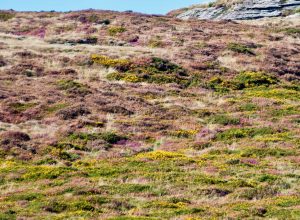
Dartmoor is famous for is diverse landscapes, many of which which sit on top of one of the largest granite areas in the country. There are wet heaths, dry heaths, oak woodlands and blanket bogs. The oak woodlands contribute massively to biological diversity of the area as the trees are covered with rich flora of mosses, liverworts and lichens. The SW area often experiences strong winds and has acidic soils. The biodiversity of the area explains why it has been designated as a Special Area of Conservation. It is one of our National Parks, which attracts many thousands of visitors.
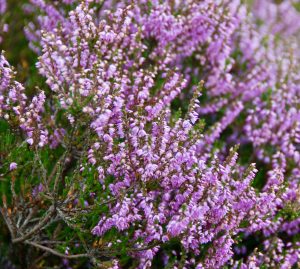 A ‘normal‘ feature of heath and moorland is swathes of heather. Due to its tolerance of acidic conditions and relative infertility, heather is generally a prominent member of the local flora. This was once true of the moorland communities on Dartmoor, but the situation is changing. The change is due to a grass - known as purple moor grass (Molinia caerulea). Molinia is native to the UK but is also found in Europe, Asia and parts of Africa. It grows well on acid soils with a pH between 3.5 and 5, and it too can tolerate poor soils.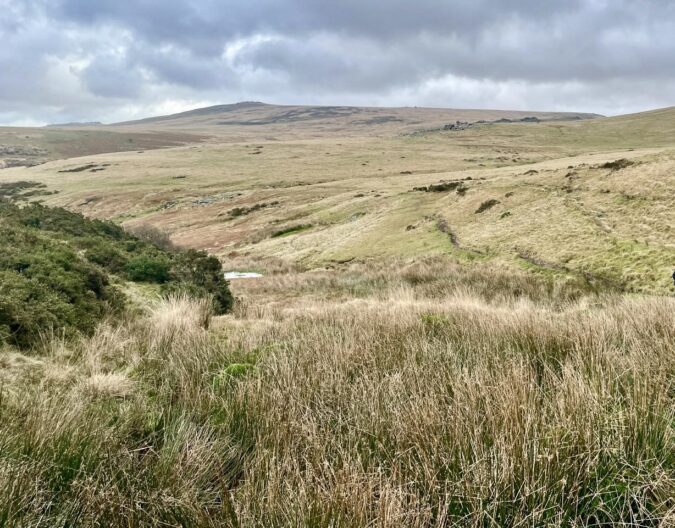
During of the last 50 years, Molinia has spread extensively in Dartmoor, Exmoor, the Pennines, the Peak District, the Yorkshire Dales and parts of Wales. Sadly, areas of purple moor grass support little in terms of insect or indeed bird life. Herbivores like sheep and cattle tend to avoid it preferring other sources of vegetation, such as heather. Indeed its nutritional value is not great and actually falls as summer progresses. The grass is relatively unaffected by fungal / bacterial disease. It forms deep roots and tussocks, which help protect its buds.
The cover of heather on Dartmoor has fallen substantially in recent times, and in places has been replaced by an expanse of purple moor grass. The features that made Dartmoor special are being lost. 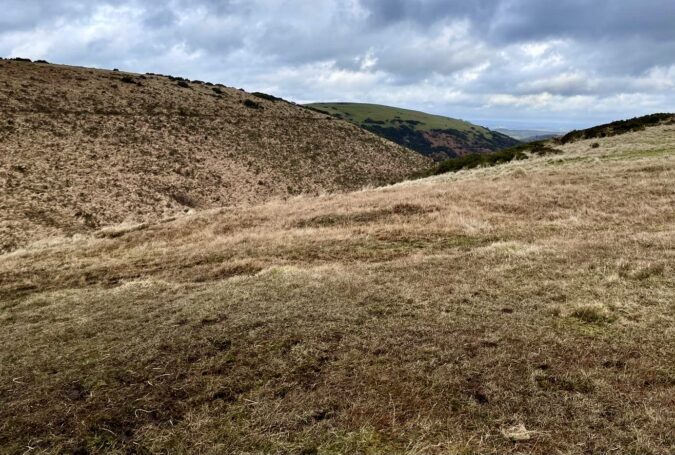
Possible factors contributing to changes on the moor:
- The practice of burning the moorland to encourage fresh shoots for sheep, cows, livestock. Fires destroys many species but the young shoots of Molinia are ‘protected’ to a degree within the tussocks, and the deep roots also help ensure survival.
- Nitrogen deposition may be another factor. A range of nitrogen compounds from farming (fertilisers, animal waste), traffic emissions and industry are released into the atmosphere and are deposited in significant amounts (circa 29 kg per hectare / year).
- Changes to moorland drainage. As peat dries, the purple moor grass seems to thrive.
- There are limited funds available to the National Park for maintenance / repair.
- The subsidies (termed Headage payments) paid to farmers for the number of animals that graze on the moor.
The combined effect of the above means that the moorland ecosystem is struggling, losing its integrity and climate changes (e.g. hotter, drier summers) do not help. Essentially, the moorland is dying. There are places where the natural vegetation / flora of heather, bilberry and mountain ash are to be found, which suggests that restoration might be possible.
What can be done?
- Create dams and embankments to retain water so that areas become wetter, and plant clumps of the moss - Sphagnum, which is vital for peat formation. The water / wetness would also help reduce the risk of fire.
- Plant trees, like those found in woodland areas of the moor, which once established would tend to shade out the purple moor grass.
- Reducing the grazing pressure on the moorlands.
Further reading
Comments are closed for this post.

Incredibly interesting article, I had no idea about the dangers of “ purple moor grass” or indeed the need to control it.
Danny.Phillips
28 January, 2026