Searching for Woodland Soundscapes
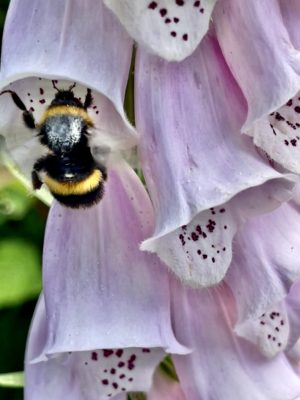
Pink Floyd’s Grantchester Meadows features some unusual instrumentation: the rolling whistles of a skylark, a honking goose, a buzzing insect. Recordings of blackbirds feature prominently in Kate Bush’s Aerial Tal, not to mention, of course, in the Beatles’ Blackbird, and field recordings of farmyard animals, rushing rivers and harsh winds have been used by other musicians over the years.
Now, however, soundscape artists are blurring the division between music and the natural world further, with many taking to Britain's woodlands in search of their natural notes and melodies. For some, it’s not only a meditative experience, but a way of enhancing their perception of the natural world. “Listening, if you give it time, can be transformative to one’s sense of place,” sound artist Jez Riley French told Sound UK. “You have to give up control in a way. At least give up the idea that you know what a forest sounds like.”
The quantity and variety of different sounds to be discovered in even a small patch of British woodland can be almost endless for the committed listener. Here are some you might not have noticed before:
 Caterpillar Business
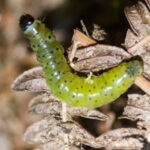
You may, on a June day, notice the sound of raindrops pattering on the forest floor, then look up to discover there’s not a cloud in the sky. When large numbers of caterpillars feed on the canopies of oak trees during early summer, a sound not unlike rainfall can be heard. This is actually the sound of frass (caterpillar droppings) landing on the forest floor.
 The Inner Workings of Trees
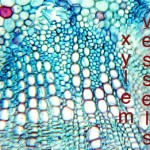
This one requires a bit of specialist kit, but is worth the effort. By attaching a contact microphone to the trunk of a tree, you can record the whispering movement of water through the tree’s xylem and the crackling sound of the sap rising up the trunk during spring, as well as the tiny pops and cracks of the growing and shifting wood fibres.
 Wasps Taking a Bite
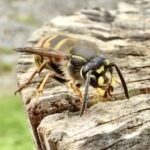
Did you know wasps have a penchant for wood? Carefully approach a dry log or a bit of old fencepost on a summer’s day and you may hear a social or paper wasp hard at work. These wasps scrape away wood fibres, chew them into a pulp, and take them back to their nests to build new walls. The sound is a faint scrabbling, like fingernails on a tabletop.
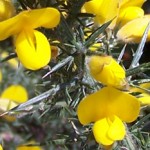 Gorse Bombshells
Some compare it to gunshots, though the more temperate say the sound is closer to popcorn. As the sun heats the seed pods of a gorse plant during summer, the pressure inside them gradually builds and eventually, they burst, launching their seeds into the air, and letting off a loud pop. When dozens are going off at once on a hot day, the sounds combine into a satisfying crackle.
How to Have a Go
Though a clutch of soundscape artists have made their passion into a profession by creating albums of natural sound or providing accompaniment to exhibitions, most use field recording as a relaxing weekend hobby, and an excuse to spend time in the woods. The price and complexity of recording setups can range depending on the user’s commitment.
Hobbyists might want to invest in an omnidirectional microphone, such as a Lom mikroUsi, a Clippy EM272, or a Sennheiser MKH 8020, in order to capture the entire forest atmosphere at once. Contact microphones that capture those gurgling tree sounds, or hydrophones for recording activity below the surface of ponds and brooks, can also be worthy investments for the truly dedicated. But for those just starting out, a basic plug-in microphone or even a phone recording can provide a fine place to start. Often it is the act of paying acute attention to the woodland around you, rather than the recording itself, which is most valuable. “The key is to be aware of your individual role in the collective quietness,” French explained. “Allow time for the sounds to take us beyond our usual, short attention spans.”
Leave a comment