The loss of animal species, and the effects on fruit and seed dispersal.
by The blog at woodlands.co.uk, 23 February, 2022, 0 comments
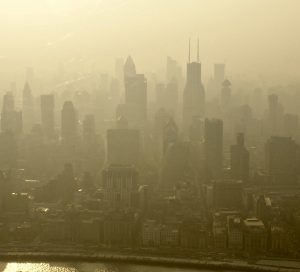
Sadly, the world is losing species, both plant and animal, at a significant rate. Indeed, some claim that we are now experiencing the sixth mass extinction. In contrast to previous extinctions (the Permian extinction is thought to be due to an asteroid impact), the present loss of species is largely associated with a mix of direct and indirect human activities. These include :-
destruction and fragmentation of habitats,
Exploitation fishing stocks and hunting (think dodo),
chemical pollution,
invasive / introduced species, and
human-caused global warming
The loss of animal species has knock-on effects in terms of food chains and biodiversity. Plants are also affected as many rely on animals for the dispersal of their fruits and seeds. In times of global warming, it is essential that plants can reach new areas that are suitable for their growth. If not, they are stuck in areas where they may not be able to survive in the changed / changing conditions. This could mean that plant species are lost, together with the ‘ecosystem services’ that they provide (be it food, timber, carbon storage, flood mitigation etc).
Seed dispersal is also important in terms of recovery from ecological disasters, like wildfires. Natural forest regrowth usually happens through seed dispersal. If an ecosystem is rich in species, it is generally more resilient to environmental change. The relationship between fruit / seed dispersal and animals has been significantly affected by the creation of roads, motorways, farms, and the development of cities - essentially habitat fragmentation.
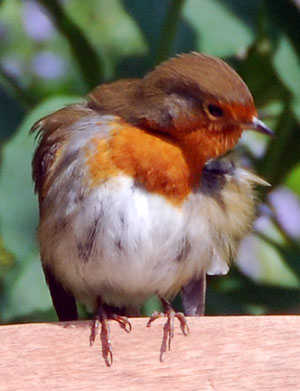
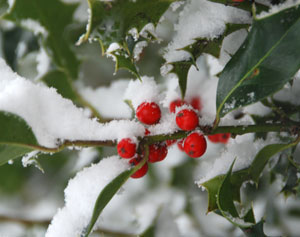
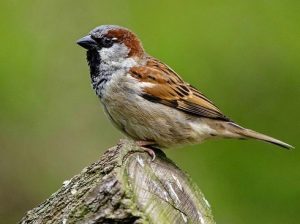
Animal dispersal is often associated with fleshy fruits. Whilst this is particularly true / obvious for many tropical fruits, it is also the case for many plants in temperate regions. Berries, hips and haws are dispersed by animal means, with birds being particularly important agents. Several pines produce large seeds and attract corvids such as nutcrackers and jays. The birds, sometimes called scatter hoarders, collect seeds and bury them in areas away from the parent trees but in habitats suitable for the next generation of trees
Mammals also play significant roles. In Africa, elephants are important seed dispersers for numerous species; they have an extra-ordinary sense of smell and will search out ripe, fleshy fruits. Some seeds have been shown to be distributed 60+ kilometres from a parent plant. Not only this, but the journey through the gut of the elephant seemingly increases the chance of germination, and being deposited in the dung reduces the chance of the seed being eaten by beetles. Some monkeys in South and Central America eat as many as fifty different types of fruit in a day. carrying some off in their stomachs and dropping others to the ground.
In Britain, as part of their diet, foxes will eat various wild fruits, like blackberries; squirrels eat nuts; and mice / voles eat grass and other seeds. Even invertebrates, like ants, disperse seeds. This may be through the activity of harvester ants, which, like squirrels and other ‘gatherers’, forage the ground of the wood or forest (collectively) gathering large quantities of seeds and then transport them back to their nests / colonies. As they transport the seeds, some get dropped or lost on the way. Others may be ‘cached’ in or near the nest for later consumption but then are ‘forgotten’ or ignored.
Some fruits contain seeds covered with a sticky substance as is the case of Mistletoe. When birds feed on the fruits, the seeds often stick to the beaks of birds. Then, they may wipe the sticky seed off on a branch; or it may be eaten and pass out in the bird’s droppings. The ‘glue’ (viscin) around the seed helps fasten the seed in place.
Even humans carry seeds far away for plants, for example, by taking an apple on a picnic and throwing the core with its seeds into the bushes. Or seeds may transported in the mud sticking to boots and shoes, or indeed on tractors, cars or other machinery.
The loss / extinction of animal species from any given habitat will sooner or later effect the plants. We are only beginning to fully appreciate the interdependence of life. The loss of any species - plant or animal - will undoubtedly have unintended and unforeseen consequences which can only be to the detriment of all life on earth.