Time to restore ….
Woodlands.co.uk has said on many occasions that our country has been ‘denuded’ of its natural vegetation. Woodlands, meadows, grasslands, and wetlands have been lost, and the range of many species has been reduced.
Efforts are being made to restore some of these ecosystems. However, it is not an easy or simple process. Throwing some seeds on degraded ecosystems / soils simply will not work. Seeds have requirements if they are to germinate. For example, some seeds to experience a period of cold before they will germinate, others need exposure to light of a particular wavelength (to activate the phytochrome system). Such needs must be set against a changing climate where warmer winters and drier summers (like last year) are expected to become more common. Seeds collected from one area of the country may have adapted to specific local conditions, so if sown 500 miles away - they may not fare so well.
To test whether some of our native species could cope with ‘new’ places and changing temperatures, researchers from the Royal Botanic Gardens (Kew and Wakehurst) made use of the seed collection at the Millennium Seed Bank. The seed collection at Wakehurst is diverse, with many samples of various species collected from different places at different times. Different 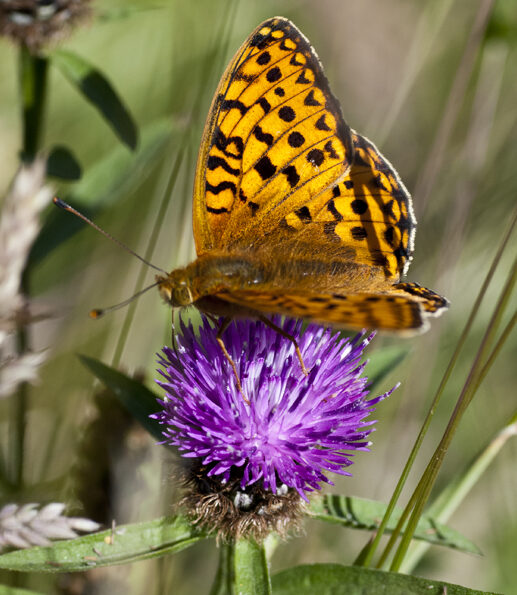 samples would be expected to have slightly different genetic backgrounds. The researchers selected six species from the Millennium collections:
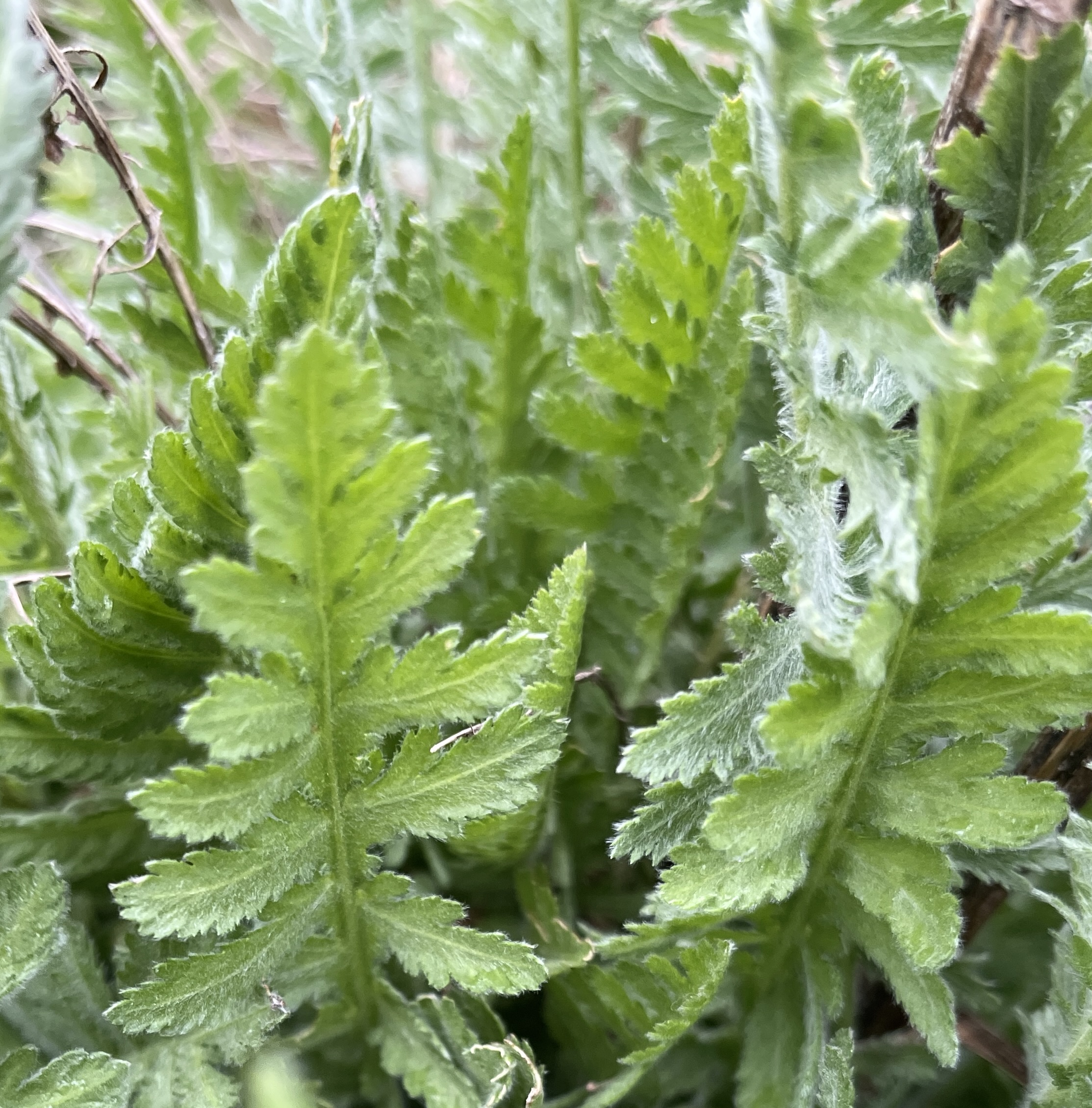
- Yarrow
- Common knapweed
- Wild carrot
- Ox-eye daisy
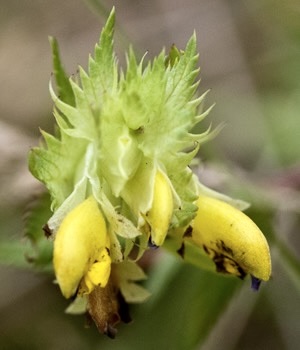
- Yellow rattle
- Autumn hawkbit
[Seeds of these species are often included in commercially available wildflower seed mixtures used to create wild flower areas in gardens etc. Some of these mixtures may include seeds imported from Europe or elsewhere.]
To test the temperature tolerance of the various seeds samples and whether the different genetic backgrounds affected their germination, the seed samples were exposed to temperatures ranging from 0oC to 40oC. The researchers then recorded the minimum, optimum and maximum temperatures for seed germination of each species. These figures were then compared with historical records of climate, and temperature projections in our changing world.
The results indicate that various species would be able to germinate in a warming climate. Of the six species, four were able to germinate across a range of temperatures, namely yarrow, knapweed, ox-eye daisy and autumn hawkbit. This suggests that they would cope with a warming climate (and would be suitable species for use in restoration projects). Yarrow and ox eye daisy showed good germination at varying temperatures independent on their local provenance, and are therefore good candidates when sowing in restoration areas.
However, wild carrot and yellow rattle were not as ‘straight forward’. Carrot seeds need to experience a cold period before they will germinate, so milder winters might be a problem. Yellow rattle only germinated within a small range of low temperatures (like those of late winter). Whilst this means, a young plant can have an early start and an advantage over its competitors, it suggests that if winters become too mild then its germination and life cycle will be affected. This ‘sensitivity’ was true across the different samples of yellow rattle used in this trial. Interestingly, yellow rattle is an obligate hemiparasitic annual. It is of particular interest for restoration projects as it helps in the establishment of species-rich meadows.
For further details of this study, go to https://onlinelibrary.wiley.com/doi/10.1111/rec.70239
Comments are closed for this post.