Birches – the pioneers
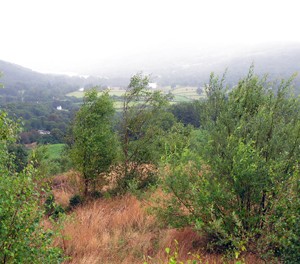
The silver birch and the downy birch are integral to the UK’s landscape. They were among the first colonists of the exposed soil when the glaciers of the last Ice Age retreated. Both species are quite widespread but silver birch is to be found on drier, ‘lighter’ soils of the South, whereas downy birch can tolerate wetter and colder conditions. Both are pioneer species by virtue of their light, wind dispersed seeds, fast growth and ability to colonise disturbed ground, for example, clear fell woodland.
They are, therefore, key species in the early stages of woodland development. They allow a rich ground flora to develop due to their open canopy, which allows light to flood in. Their leaves decompose quite quickly and contribute to the enrichment of the soil. Their breakdown adds humus, which helps with water retention and soil permeability. The conditioning of the soil helps other species to come in and as the appearance of other species proceeds so the canopy tends to become denser. Birches are sometimes described as ‘nurse species’.
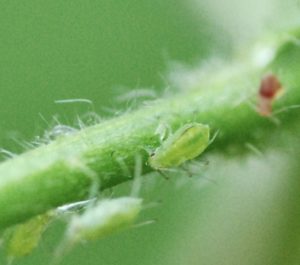 Birch trees are relatively short lived, with a life span of sixty to one hundred years, but during that time the trees support a variety of organisms :
- Insects such as aphids, moth caterpillars, sawflies
- Birds, for example redpolls and siskins, who feed on birch seeds
- Small mammals who may use the trees for shelter and / or food, plus deer who may browse on the young shoots
- Fungi such as the polypores, fly agaric, and the various mycorrhizal fungi [e.g. the Birch Bolete] that establish connections with the roots for nutrient exchange.
So birch species are valued for the creation of early woodland, for regeneration and rewinding of land. The resilience of downy birch makes it important in more northern and upland areas. The birches are therefore important in the formation of transitional woodland, which may then move to mature climax woodland.
As a species, we have made considerable use of birch trees to create a variety of ‘products’. Historically, the wood and bark were distilled to make birch tar and pitch, used for waterproofing and as adhesives. The wood, which is fine grained and pale in colour, is valuable in furniture making, making tool handles and toys. In northern Europe and Russia, birches were used to create pulpwood for paper / cardboard making. As the wood burns clean and hot, it is suitable as a fuel or for charcoal making. It may also be used as the fuel for saunas, and for the smoking of fish and meat (as a means of food preservation / flavouring).
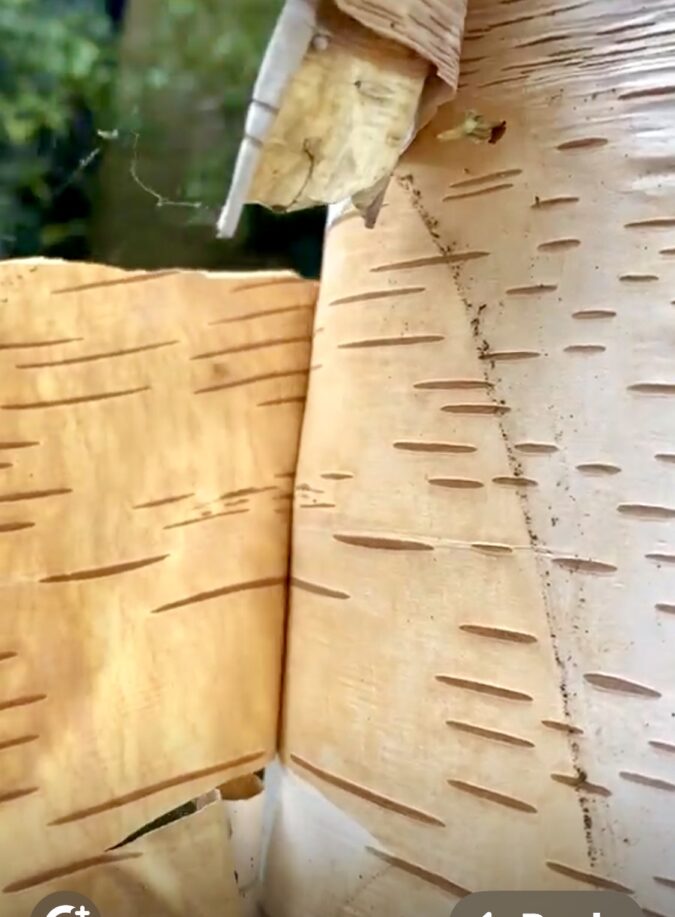
The bark has been used to make canoes, baskets and boxes. It was also used in roof construction and the creation of Russian manuscripts. Birch sap is consumed in various health beverages and can be fermented produce beer, wine or vinegar. Baltic and Nordic countries have been particularly creative in the use of birch material, down to use the twigs in their sauna whisks.
Comments are closed for this post.