Climate change and bird survival
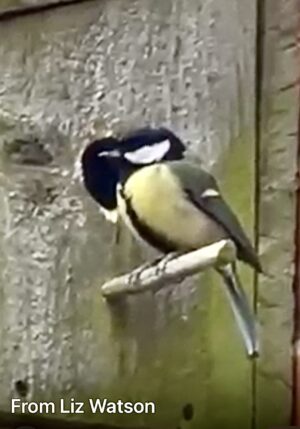
One of the most intensely studied areas in the country is Wytham Wood, which lies just outside Oxford. Wytham Wood belongs to Oxford University. The site includes ancient semi-natural woodland, secondary woodland, grassland and ponds. Wytham is a designated SSSI, where some 500+ plant species and 800+ butterfly and moth species have been recorded.
The records of bird populations (like that of the Great Tit) go back some sixty or more years, initiated by the work of David Lack and others. Recently this data has been examined in conjunction with detailed weather records over the same period. The Oxford scientists looked to see how the weather affected the growth and development of the chicks of the Great Tit. Not only did the data cover several decades but also the records of some 80,000 great tits. The study revealed that
- Great tits have adjusted to warmer Springs by breeding earlier.
- Severe cold weather immediately after hatching was particularly harmful.
- Older chicks were significantly affected by heavy rainfall.
- If exposed to very hot weather and heavy rain, the young chicks can lose more than a quarter of their body mass. This is particularly true for broods raised later in the year.
- Warm periods were linked to higher fledging weights.
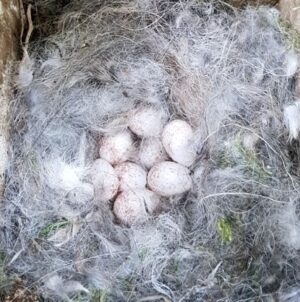 The earlier breeding enables the adult birds to take advantage of the earlier appearance of their prey - caterpillars. However, this earlier activity can also expose them to cold snaps that can occur in early Spring. Newly hatched chicks struggle to maintain their body temperature in cold periods as they lack feathers. They will also need to 'burn' more of their food energy to generate heat, rather than it being used for growth.
Bad weather not only affects their food supply (caterpillars, etc), but also whether the adults can leave the nest to search for and gather food. The higher fledgling weights during periods of warm weather are probably associated increased insect activity (and visibly), enabling the adults to satisfy the appetites of their young. As caterpillars have quite a high water content, this helps stave off dehydration in the young chicks.
Climate change seems to be throwing more extreme weather events at us, and the seasons are becoming increasingly unpredictable. These weather events (heat, cold, intense rainfall) may well have even greater effects on our bird populations, both woodland and urban.
Further details of this study can be found here.
Great piece: I love Wytham and the work Oxford University is doing there is extraordinary.
Richard Lofthouse
10 September, 2026