The air that we breathe.
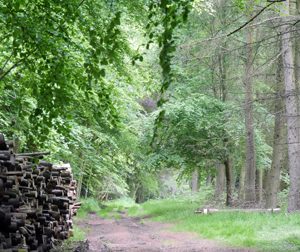
When you step into your garden during the Spring or Summer months, you might be aware of the scent of honeysuckle, lavender or indeed an old fashioned rose. Similarly, in a woodland the scent of pine or other conifers may permeate the air. These various scents often involve a group of compounds known as the terpenes. The resin that exudes from pine bark is rich in terpenes. Terpenes are used in the building of many complex organic molecules and contribute to the make-up of volatile, organic compounds [VOCs] - produced by many plants. The scents released from nectaries or other parts of flowering plants are often associated with attracting pollinating insects, but they can serve other functions. For example, some VOCs released by a plant may warn surrounding plants of attack by insects.
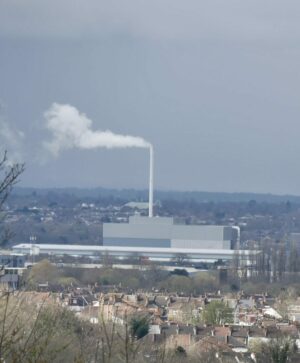 However, as you walk down the street, the air is rarely filled with these pleasant, natural scents. Instead the fumes of traffic, factories and industry assail us. They are the exhaust emissions from cars, lorries, buses etc, plus the various bits and pieces [particulates] that are released from the ‘rubber’ of car tyres, brake pads etc. The damaging effects of particulates are now well documented. The effects include lung disease such as chronic obstructive pulmonary disease (COPD) and reduced lung function. Particulates help create the concoction of substances that we inhale; sadly our air is often polluted with many different compounds.
Scientists from Oxford University and Kew recently investigated air quality in different locations around Oxford. The locations varied from the centre of the town, where the Botanic Garden is found, out to the University’s Wytham Woods. Wytham is one of the most intensively studied woodland areas in the world. The wood ‘holds’ 500 plus plant species and 800 or more butterfly and moth species. Records of bird populations go back some sixty or more years (largely due to the work of David Lack and others).
The air samples that the scientists collected were subjected to detailed chemical analysis using the technique of gas chromatography-mass spectrometry. Some 245 different compounds were identified in the various air samples, with each of the six different sites haveing their own signature collection of chemicals. Sites near to busy roads contained high levels of benzene and toluene, which are traffic-related chemicals. The tree rich areas naturally showed a greater presence of plant chemicals (VOCs). Unsurprisingly, when they sampled the air in the Botanic Garden (over the course of a year), they found the highest levels of these plant compounds. Warmer weather increased the levels of these VOCs / plant derived chemicals, which have been associated with improved mood and stress reduction.
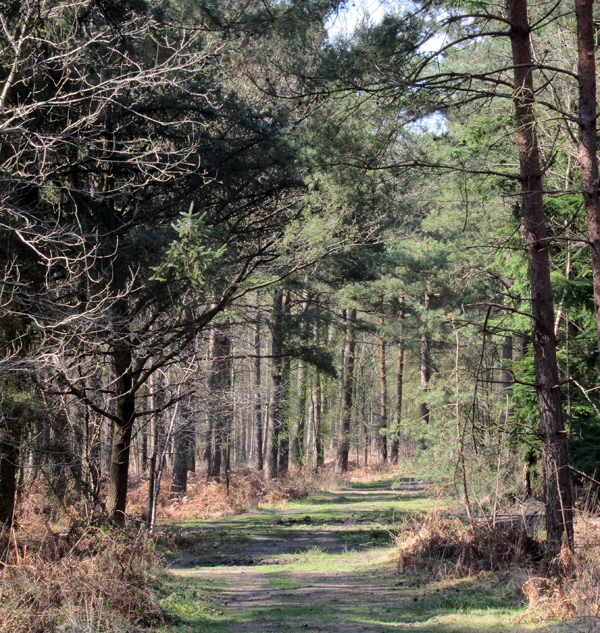
Full details of the Oxford study here : https://nph.onlinelibrary.wiley.com/doi/10.1002/ppp3.70191
Comments are closed for this post.