Butterflies in woodlands.
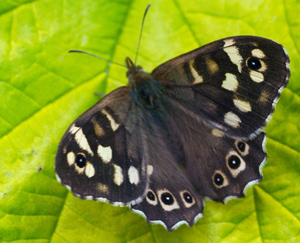
Butterflies form part of the woodland fauna. Different species occur in different niches.
Glade butterflies, like the speckled wood. These butterflies like open, sunny clearings in the woods. The speckled wood may be recognised by its brown and cream spotted wings. It may be seen in partially shaded woodland with dappled sunlight. The males may rest in a ‘pool of sunlight’, but will rise quickly if disturbed. Both male and female feed on honeydew, and do not feed on flowers, except when aphid numbers / activity is low. Honeydew is the sticky, sugar-rich fluid that is ‘produced’ by aphids (greenfly and blackly) and some other insects. As these insects feed on plant sap, their mouthparts penetrate into the sugar-conducting tissue - the phloem. This passes into the gut of the animal and any undigested material is exuded as a sticky drop.
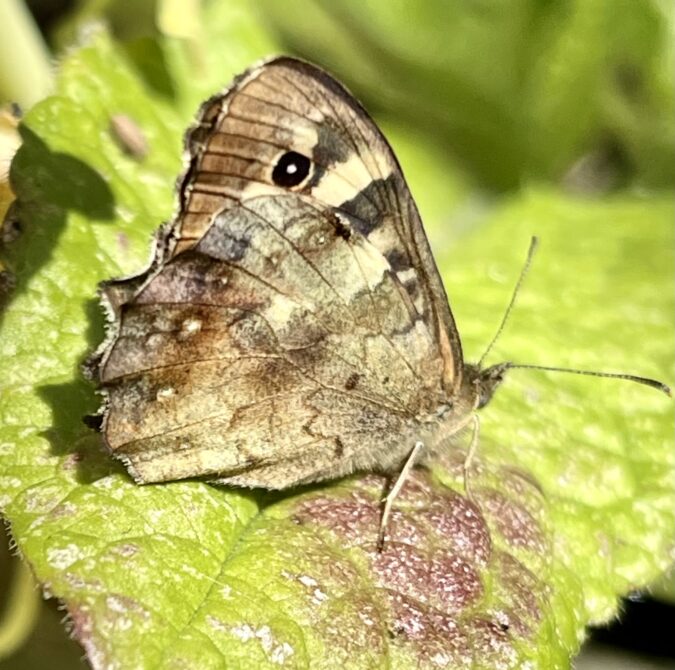
A speckled wood at rest
Canopy dwellers, like the purple emperor spend most of their time high up in the trees. They make use of the leaves for feeding of the caterpillars, or indeed breeding. The adult butterflies feed on tree sap or aphid honeydew.
Dwellers of the woodland edges. The comma favours woodland edges and open woodland, where it breeds and hibernates. It may be seen in the vicinity of nettles and willows. Its distinctive scalloped wings and their colouring help conceal hibernating adults amongst the dead leaves of autumn.
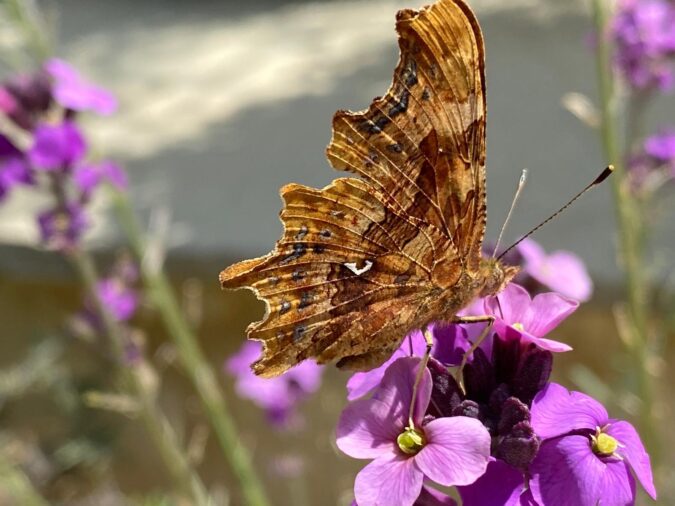
The Comma
By occupying different places and feeding on different things, the various species avoid direct competition with one another. Sadly, woodland butterflies have been in decline in recent times, as have many native butterfly species across the UK. This decline has been attributed to a number of factors :
- Lack or loss of traditional woodland management, such as coppicing and grazing, which allow for the creation of open, light filled spaces.
- Habitat fragmentation. Many butterflies travel over relatively short distances. If woodlands become divided or lost through urban sprawl, motorway creation etc., then populations become isolated and genetic variation (and hence, diversity) is lost. Localised extinction may result.
- Climate Change. Extreme weather events (like heatwaves in May), changing patterns of rainfall are thought to disrupt the natural chronology of butterfly life cycles.
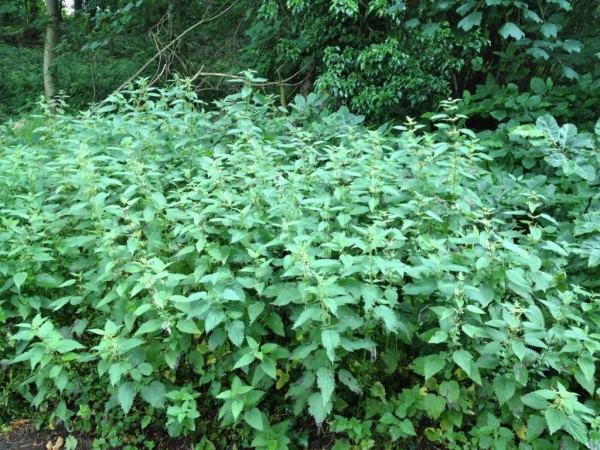
- Pesticides and pollution. Woodland areas may be exposed to the application of pesticides and fertilisers added to adjacent farmland. Even sub lethal doses of pesticides can affect butterfly life cycles. The deposition of nitrogen rich pollutants can encourage the overgrowth of botanical thugs (like nettles), so food sources for caterpillars are lost.
For more information on butterflies and their life cycles, see this blog https://www.woodlands.co.uk/blog/flora-and-fauna/woodland-butterflies/and visit https://butterfly-conservation.org/butterflies
Leave a comment