Ownership of SSSI Woodlands
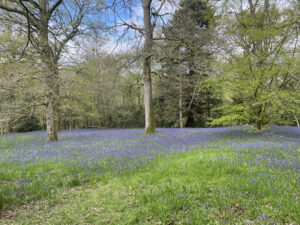
Sites of Special Scientific Interest (SSSIs) are some of England’s most remarkable natural places. With over 4,100 sites across the country, they showcase the very best of our wildlife, habitats, and geology - collectively covering around 1.1 million hectares (about 8% of England).
Owning a SSSI woodland is a special opportunity. As a custodian of one of these nationally important areas, you play a meaningful part in protecting and enhancing our natural heritage for generations to come. Many owners find this a rewarding way to connect more deeply with their land and its wildlife. Beyond their conservation value, SSSIs can also offer quiet places for recreation, provide opportunities for scientific study, and deliver wider benefits such as clean water, flood management, carbon storage, and pollination.
Because of their importance, some activities on SSSIs need to be carefully managed. The Wildlife and Countryside Act 1981 sets out a list of operations that require consent from Natural England before going ahead—such as tree work, drainage changes, or certain types of recreational activity. Most owners find the process straightforward, and it helps ensure that any work supports the special features of the site. More guidance is available at Sites of special scientific interest: managing your land - GOV.UK
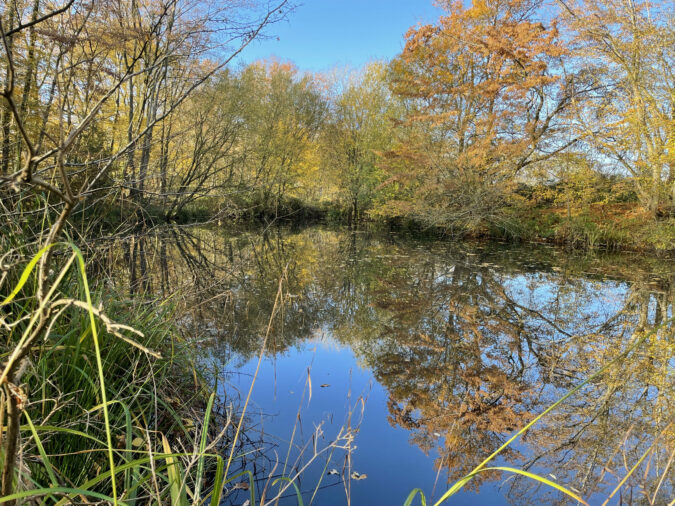 When purchasing land, conveyancing checks will normally confirm whether it lies within a SSSI. You can also explore this yourself via the MAGIC map system, and further information about individual sites is available at designatedsites.naturalengland.org.uk.
Natural England is there to help. Through good management advice, and tailored guidance, they work alongside landowners to support positive management and help sites deliver for nature recovery. Open communication is encouraged, as is collaboration with neighbouring landowners—particularly for larger-scale matters such as deer or squirrel management.
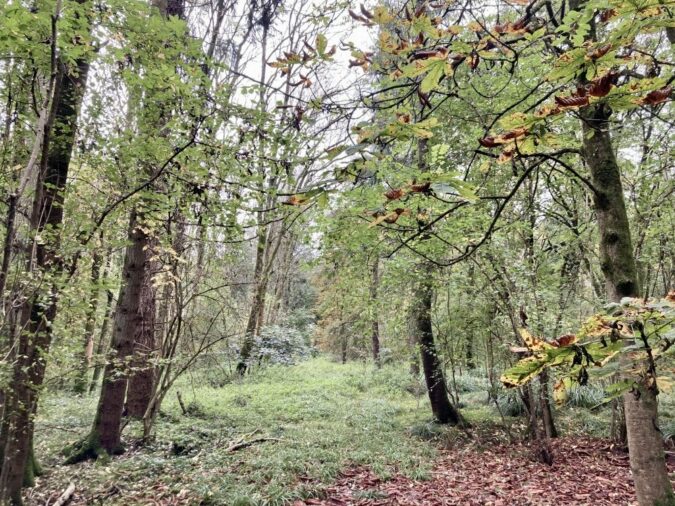 Many traditional woodland practices, including coppicing, natural regeneration, and managing invasive species, fit well with SSSI conservation and are often recommended. Some protected features may be less visible, such as fungi or particular bird communities, but the focus is on looking after the habitats that support them.
Although caring for a SSSI may feel like a responsibility at first, it can be hugely rewarding. Owners frequently enjoy the sense of purpose, connection to nature, and contribution to biodiversity. Support, advice, and in many cases grant or stewardship options are available—meaning even small woodland owners can make a real and lasting positive difference.
Adrian Jowitt
Principal advisor on woodland policy, Natural England.
Yes indeed – my >6 acres of ancient woodland which once covered most of GB came with SSRI status, also having masses of Bluebells, Anemonies; ancient pits etc. Bought c 6 yrs back with grand plans for community gatherings; enlarging little pond from natural stream etc. Now nearing 80, it’s hard to even get there -SO glad that lovely land is maturing safe but DO wish there could be some kind of care for it when I pass…?
Jewel
17 March, 2026